
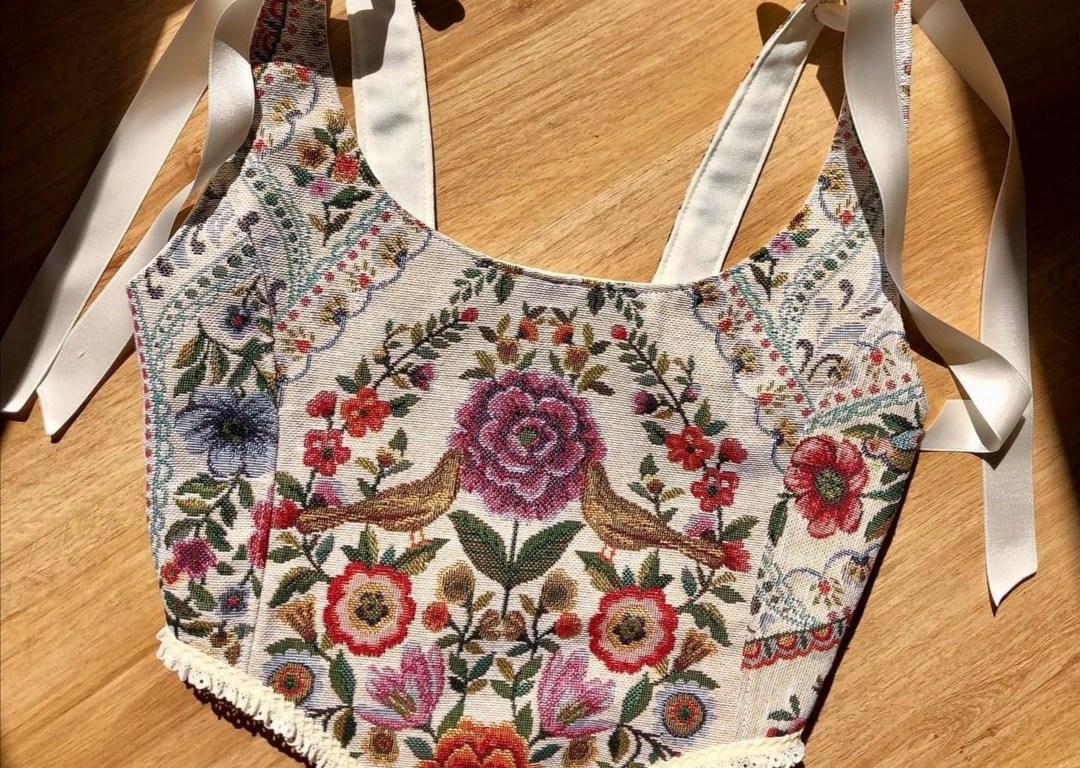
Dates back to 1975, The term “corset” was in use in the late 14th century, from the French “corset” which meant “a kind of laced Bodice”
My Stan on Corsets… 🤔 Never been a fan of uncomfortable clothing, the baggier the better. Hide my figure, sit how I want, eat till I get a food baby without my waist being monitored… So nonchalant, so happy.
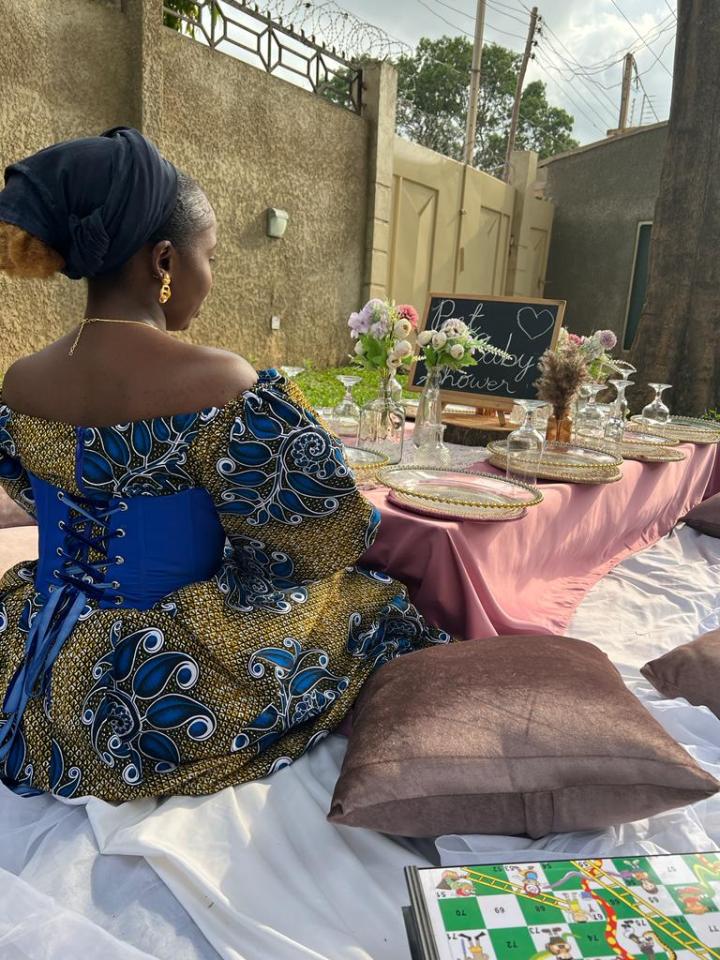
So why was the corset lately on my mind? Was it the becoming trend again, the get fit adverts or the fact that it could be worn outside the clothing and not as a lingerie nor underwear as it was originally pinned? I don’t know. But the day I saw it on an outer African print outfit, I knew I had to try on this piece of uncomfortable clothing for the Pain and Pleasure of my body. For the love of fashion and an addition to my style and wardrobe.
Although, there has been issue of historical fallacy with the belief that women wore corsets for the patriarchal society. Women of the past had agency over their bodies and how they were dressed. As opposed to doing it for the male gaze. They were clever about how they achieved the fashionable proportions, padding out the hips and bust, rather than reducing the waist to avoid long time effect of corset defamation of body.
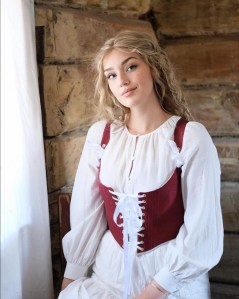
For historical women, corsets were a support garment, which allowed them to follow the fashionable silhouette without having to diet, exercise, or have cosmetic surgery. We can see it in today’s marketing of girdles and sport fits. For men, wearing a corset brings desirable silhouette of accentuated, broad shoulders and a narrow waist. rather than the hourglass of waist to hips in women. Are you surprised? Older generation men were vain much 😅. It’s not shocking to see it coming back on scene for the males. Since the 1800s, corsets have supplied rigid back support for activities such as horse riding which both genders indulge in. Today, it still provides that support.
It would be a refreshing change to see us embrace this feminist history of the corset, instead of falling back on a misogynistic stereotype.Serena DyerLecturer in History of Design and Material Culture, De Montfort University
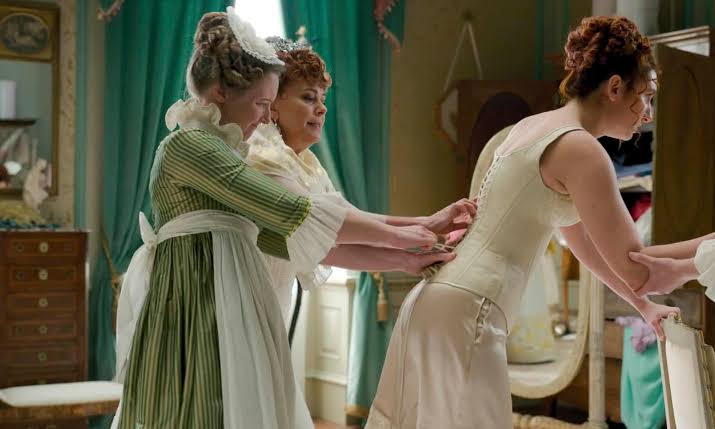
Personally, the cinching is my favorite part. It is a 1 to 2 woman army aiding the criss-cross of ropes and keeping one stable while it’s being adjusted, till the waist disappears (I am more concerned about the snatched waist really) . The effect it has on body and structure, is a new wave. You stand and sit with such grace and poise of your favorite graceful woman; your queen mother.
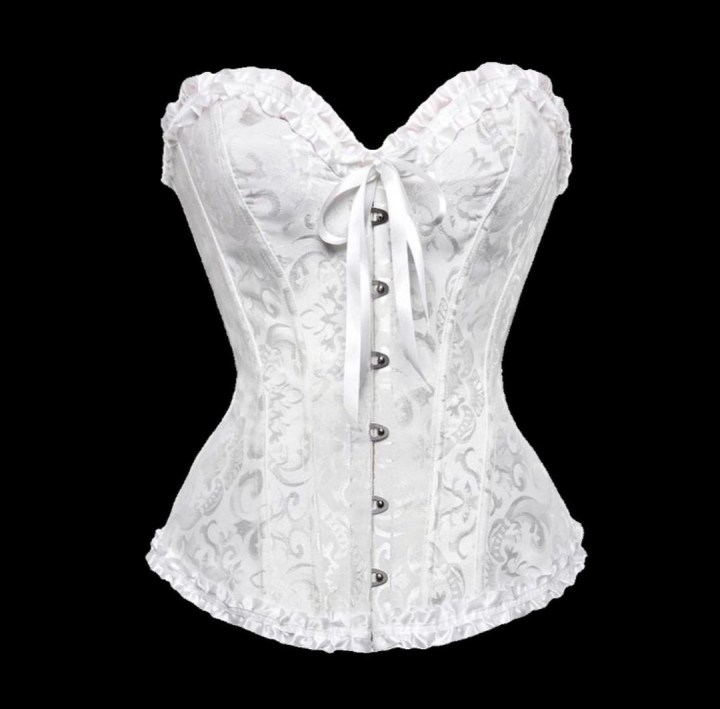
Now to understand more about corset, get the link. Trust! It’s quite an interesting read.
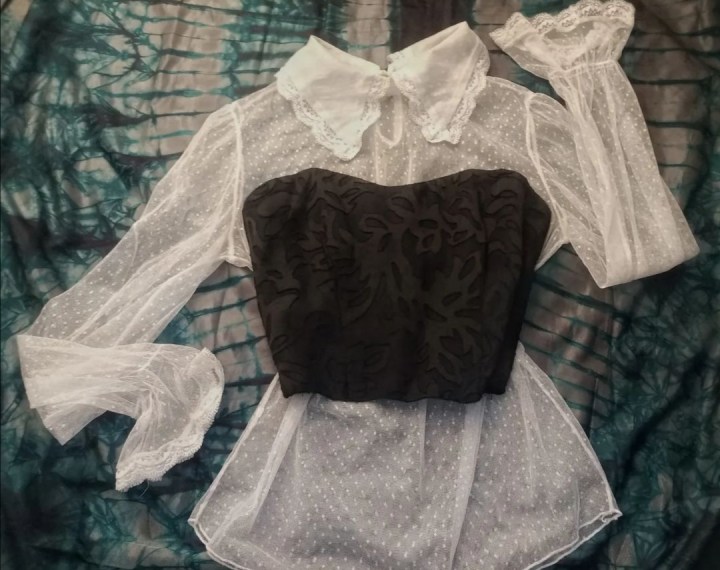
While corsets can be traced back as far as the 16th century, it was in the 18th century that the hourglass shape became fashionable. Corsets had also come to represent elite status and physical fragility, which was symbolic of femininity. Of course, corsets are used for some Western traditional attires. But now on the African fashion scene, it’s become an outer statement that can be combined with the popular Ankara and lace fabrics . Can be worn with jeans, skirts, gowns, alone, underneath or at the top, coupled with a jacket and many other options.

With that. P. Ô. T. S recommends an additional piece of history in each ladies closet.
 Pearls On The Scene